
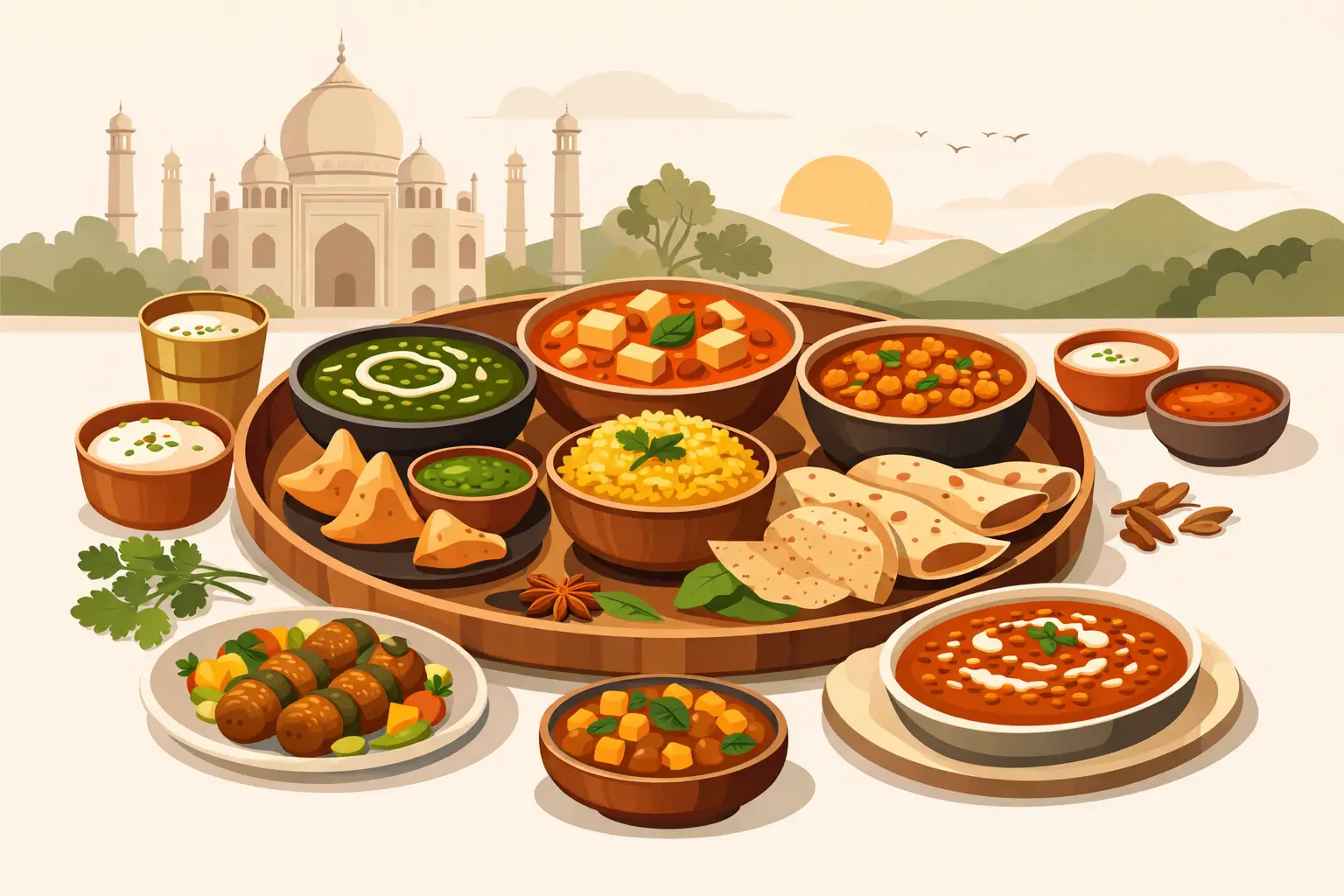
When a menu offers dozens of curries, breads, rice dishes, and tandoori specialties, choosing the right vegetarian north indian dishes can feel harder than it should. Some are rich and celebratory, some are light and everyday, and some look simple until the first bite makes it clear why they have lasted for generations. If you want a satisfying place to start, it helps to know which dishes bring comfort, which bring spice, and which pair beautifully together.
Why vegetarian North Indian dishes stand out
North Indian food has a special gift for making vegetarian cooking feel abundant. Instead of treating vegetables, lentils, and dairy as substitutes, the cuisine builds around them with confidence. Paneer holds spice beautifully, lentils become silky and deeply savory, and seasonal vegetables are layered with cumin, ginger, coriander, fenugreek, and garam masala in ways that feel both nourishing and festive.
That balance matters for modern diners. Many guests want food that is comforting without feeling heavy, flavorful without relying only on heat, and inclusive enough for different dietary needs at the same table. Vegetarian North Indian dishes meet that moment well because they can be hearty, protein-rich, and naturally satisfying, with options that also work for vegan or Jain preferences depending on preparation.
12 vegetarian North Indian dishes worth ordering
Paneer butter masala
This is often the first dish people fall in love with, and for good reason. Cubes of fresh paneer are simmered in a tomato-based gravy made smooth with butter, cream, and aromatic spices. The flavor is mild to medium, gently sweet, and deeply comforting.
If you are new to Indian food, this is an easy entry point. If you already know the cuisine, paneer butter masala remains a classic because it delivers consistency, richness, and softness in every bite. It pairs especially well with naan.
Palak paneer
Palak paneer brings together spinach and paneer in a way that feels both wholesome and luxurious. The spinach is cooked down with garlic, ginger, and spices until it becomes velvety, then finished with paneer for a dish that is earthy, balanced, and satisfying.
It is also one of the best examples of North Indian cooking’s health-forward side. You get richness, but not the same level of creaminess as butter-based gravies. For diners who want flavor with a lighter feel, this is often the right choice.
Dal makhani
Dal makhani is slow comfort. Whole black lentils and kidney beans are simmered for hours until they become creamy, then enriched with butter, tomato, and gentle spice. The texture matters as much as the flavor here. A good dal makhani should taste patient.
This dish is ideal if you want something filling without relying on paneer. It is rich, yes, but in a grounded and savory way. With basmati rice or tandoori roti, it can easily carry the meal.
Chana masala
Chickpeas in a tomato-onion gravy may sound straightforward, but chana masala is far more than a simple bean curry. The best versions are bright with spice, a little tangy, and layered with cumin, coriander, ginger, and sometimes dried mango powder for depth.
It is one of the most dependable picks for anyone looking for a vegetarian dish with substance and clean flavor. It also tends to travel well for takeout and delivery, which makes it a smart option for busy weeknights.
Aloo gobi
Aloo gobi proves that a dish does not need cream or paneer to be memorable. Potatoes and cauliflower are cooked with turmeric, cumin, ginger, and tomatoes until they absorb every bit of flavor. The result is warm, gently spiced, and deeply familiar.
This is a drier dish than most curries, so it creates nice contrast on the table. If you are ordering several items, aloo gobi keeps the meal from becoming too sauce-heavy.
Malai kofta
For a special meal, malai kofta brings restaurant-style indulgence. Soft vegetable or paneer dumplings are served in a rich, creamy gravy with nuts, tomato, and warm spices. It is elegant, mildly sweet, and made for slow eating.
The trade-off is that it is one of the heavier choices. If you want something celebratory, it delivers beautifully. If you are looking for a lighter lunch, you may want to balance it with a simple bread and a fresh side.
Baingan bharta
This dish deserves more attention than it sometimes gets. Roasted eggplant is mashed and cooked with onion, tomatoes, green chilies, and spices until it becomes smoky, savory, and soft. The flavor is more rustic than creamy paneer curries, which is exactly why many guests love it.
Baingan bharta is a strong choice if you want depth without dairy-heavy richness. It also appeals to diners who enjoy a more home-style expression of North Indian cooking.
Rajma masala
Rajma masala is comfort food in many North Indian homes. Red kidney beans are simmered in a spiced tomato-onion gravy until tender and full of flavor. Served with rice, it is simple, soulful, and remarkably satisfying.
Compared with chana masala, rajma usually feels softer and more mellow. It may not be the flashiest dish on the menu, but it is one of the most dependable when you want warmth and steadiness.
Kadai paneer
Kadai paneer is for guests who want more edge and aroma. Paneer is cooked with bell peppers, onions, tomatoes, and freshly crushed spices, giving the dish a bolder, more textured character than creamier gravies.
If paneer butter masala feels too soft or sweet for your taste, kadai paneer is often the better fit. It has brightness, spice, and enough structure to hold its own with naan or jeera rice.
Navratan korma
Navratan korma combines vegetables, paneer, and sometimes nuts or dried fruit in a creamy sauce that leans mild and slightly sweet. It is colorful, festive, and designed to please a wide range of palates.
This makes it excellent for group dining, especially when not everyone wants spicy food. The only caveat is that diners who prefer sharper, earthier flavors may find it too gentle. It depends on what kind of meal you are after.
Vegetable biryani
Not every great vegetarian North Indian dish is a curry. Vegetable biryani layers fragrant basmati rice with vegetables, herbs, saffron, and whole spices for a dish that feels complete on its own. Good biryani should be aromatic first, spicy second.
It is one of the best orders when you want variety in every spoonful. Because it is substantial, it also works well for takeaway, office lunches, or shared meals at home.
Tandoori breads and sides
The meal is not complete without the right support. Butter naan, garlic naan, tandoori roti, and jeera rice all change how a dish is experienced. Rich gravies feel fuller with naan, while lentils and bean dishes often shine with rice or whole wheat roti.
This part matters more than many diners expect. If you order only creamy curries with no contrast, the meal can start to feel repetitive. Bread, rice, and a cooling side help create balance.
How to build a better vegetarian North Indian meal
If you are ordering for one, choose based on appetite and mood. A rich curry like paneer butter masala with naan is satisfying, but dal with rice can feel more balanced for lunch. For a lighter but still flavorful meal, palak paneer or baingan bharta is often a strong direction.
For two or more people, variety is the smarter move. Pair one creamy dish, one lentil or bean dish, one dry vegetable preparation, then add bread and rice. That way, each plate feels different instead of repeating the same texture.
If dietary preferences are part of the decision, ask about preparation. Some vegetarian dishes include cream, butter, or paneer, while others can be adapted for vegan or Jain diners. A restaurant that understands authentic Indian cooking and dietary care can make those adjustments without losing the character of the dish.
What makes these dishes worth seeking out
The appeal is not only flavor. It is the way these dishes bring comfort, hospitality, and nourishment to the same table. North Indian vegetarian cooking has range. It can be celebratory enough for a party, practical enough for takeout after work, and welcoming enough for mixed groups with different food needs.
That is one reason guests return to places that treat the cuisine with real respect. At Saffron Ikebukuro, for example, vegetarian choices are not an afterthought. They are part of the heart of the menu, prepared with authentic spices, care for ingredient quality, and attention to the preferences of a diverse Tokyo crowd.
The best approach is simple. Order one familiar favorite, add one dish you have never tried, and let the table teach you what you like. Vegetarian North Indian dishes reward curiosity, and once you find your combinations, they become the kind of meals you look forward to long before the first bite.