
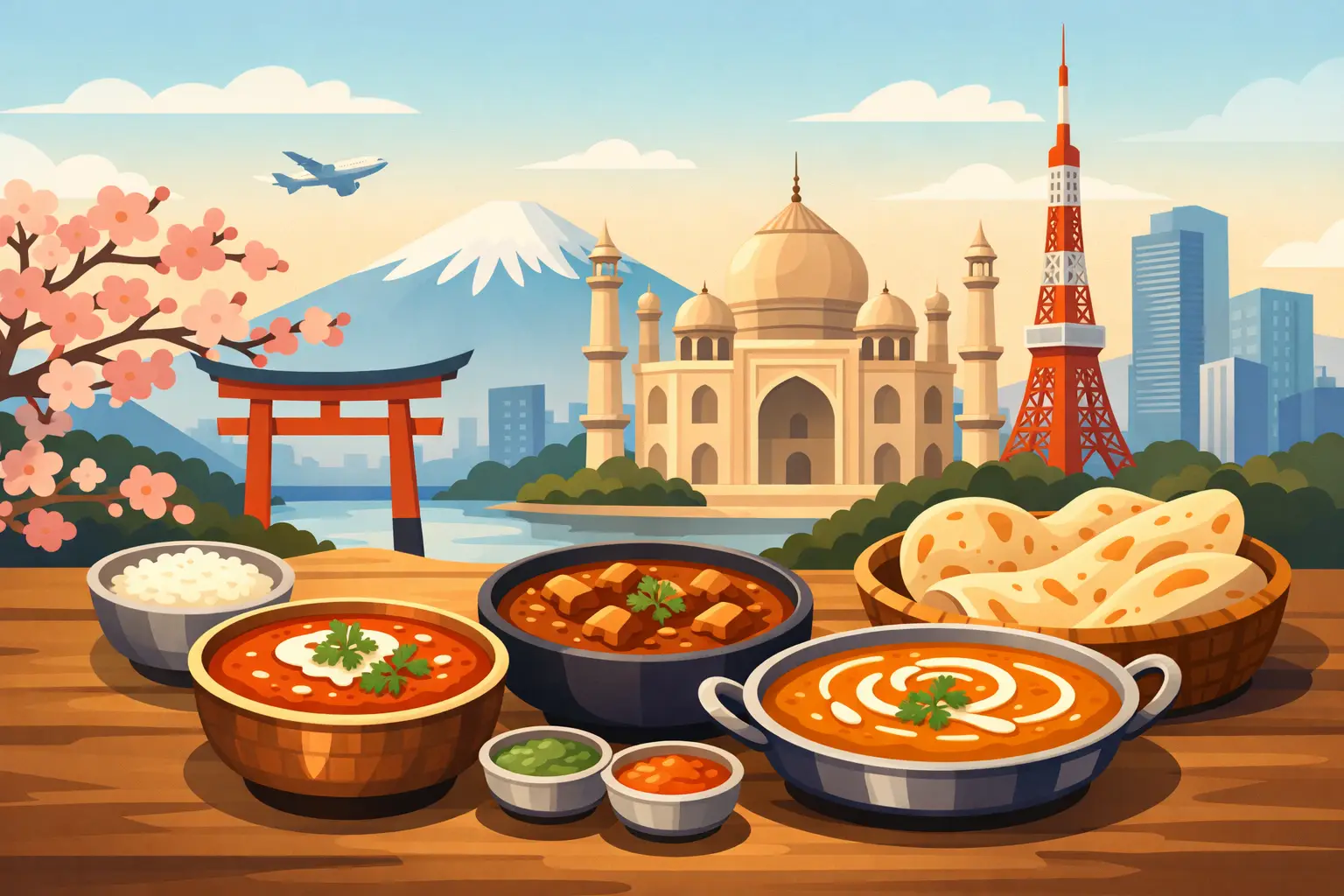
A good curry tells you right away whether the kitchen respects the tradition behind it. With authentic north indian curries, that first spoonful should bring layered spice, slow-cooked depth, and a sense of comfort that feels complete rather than heavy. For many diners in Tokyo, that balance matters just as much as convenience – especially when you want food that is deeply flavorful, made with care, and welcoming to different dietary needs.
What makes authentic north indian curries different
North Indian curries are known for structure and depth. The sauce is not there to hide the ingredients. It is built carefully, often starting with onion, tomato, ginger, garlic, and whole or ground spices cooked in sequence so each note has a purpose. Cumin adds warmth, coriander brings citrusy freshness, turmeric gives earthiness and color, and garam masala rounds out the finish with fragrance rather than blunt heat.
That is one of the biggest misunderstandings about Indian food. People often expect only spiciness, when the real signature is balance. A well-made curry can be mild, medium, or hot, but it should always taste layered. You should notice the richness of cream in some dishes, the brightness of tomato in others, the smokiness of tandoor-cooked meats, or the clean comfort of lentils and vegetables simmered with herbs.
Authenticity also depends on ingredients. Fresh spices, quality dairy, good tomatoes, and carefully selected proteins all affect the final result. Imported Indian ingredients can make a real difference because they bring the aroma and character that define classic North Indian cooking. When those ingredients are handled with discipline, the curry tastes fuller, cleaner, and more faithful to its roots.
The heart of authentic north indian curries
North Indian cuisine is broad, but a few curry styles show its range especially well. Butter chicken is one of the best-known examples, yet the best versions are not overly sweet or heavy. They balance tomato, butter, cream, and spice so the sauce stays smooth and rounded while the chicken keeps its tandoor-charred flavor.
Chicken tikka masala often gets grouped into the same category, though its profile is usually bolder and more tomato-forward. For diners who want richness with a sharper edge, it can be the better choice. Then there is kadai curry, which leans more on peppers, onions, and a lively masala base. It feels brighter and more savory, with a slightly rustic character.
Paneer-based curries offer another side of North Indian cooking. Palak paneer brings spinach and fresh cheese together in a dish that feels nourishing and satisfying without being too rich. Shahi paneer is creamier and more festive, while matar paneer has a homestyle comfort that many Indian guests recognize immediately.
For those who prefer lentils and vegetables, dal makhani is a classic example of patience in the kitchen. Black lentils and beans are cooked until silky, then finished with butter, cream, and spice. The result is deeply comforting. Mixed vegetable curry, aloo gobi, and chana masala each show that vegetarian dishes can be just as complete and memorable as meat-based ones.
Why spice matters beyond heat
One reason people return to North Indian food again and again is that the spice profile feels generous without being one-dimensional. Spices do more than create aroma. They shape the entire eating experience. Ginger and garlic wake up the palate. Cumin and coriander add warmth and lift. Cardamom, cloves, and cinnamon bring sweetness and depth in smaller doses. Fenugreek can add a slightly bittersweet note that makes creamy dishes taste more complete.
There is also a wellness side to this style of cooking, which matters to many modern diners. Indian cuisine has long valued the role of herbs and spices in supporting digestion, warmth, and satisfaction. Of course, not every curry is light, and some are intentionally indulgent. Still, when recipes are made thoughtfully with fresh ingredients and careful portions of oil or cream, curries can feel comforting without leaving you weighed down.
That is especially relevant for people ordering lunch between meetings, planning dinner after work, or choosing food for a group with different preferences. A curry should satisfy you, not slow you down.
Choosing the right curry depends on the moment
Not every diner wants the same thing, and that is part of the beauty of North Indian cuisine. If you want a familiar entry point, butter chicken or chicken curry often makes sense. If you are after something more robust, lamb curry or mutton masala offers deeper savoriness. If comfort is the goal, dal makhani and naan can be exactly right.
There are trade-offs, and they matter. Cream-based curries feel luxurious but can be richer than what some diners want for a weekday meal. Tomato-based or onion-forward curries often feel lighter and brighter. Tandoori-finished proteins add smoky flavor, but slow-simmered curries can offer more sauce depth. It really depends on whether you are craving celebration, comfort, or something practical and nourishing.
For groups, variety usually works best. One creamy curry, one tomato-based option, one vegetarian dish, rice, and fresh bread creates a table that feels generous and inclusive. That approach also helps first-time guests experience the range of authentic North Indian curries without committing to only one flavor direction.
Inclusive dining should still feel authentic
A common concern for diners with dietary needs is whether accommodation changes the soul of the food. The answer depends on the kitchen. In a thoughtful restaurant, halal, vegetarian, vegan, and Jain options are not treated like side requests. They are part of the hospitality itself.
North Indian cuisine is naturally well suited to this kind of inclusivity because it already has a strong tradition of vegetable, lentil, and dairy-based dishes. Vegan curries can still have body and complexity when cashew, tomato, onion, and spice are handled properly. Jain preparations can remain satisfying when built with care around the ingredients permitted. Halal diners should also be able to enjoy full flavor and confidence, not limited choices.
This matters in Tokyo, where dining groups are often mixed. One person may want a rich chicken curry, another needs a vegan option, and another is looking for halal choices. A restaurant that can serve all three well creates real comfort. It makes planning easier, and it lets everyone enjoy the meal together rather than compromise.
Why freshness changes everything
Curry is often discussed in terms of spice, but freshness is what keeps that spice alive. Freshly prepared gravies taste brighter. Good herbs add lift. Properly marinated meat stays tender. Bread made to order changes the entire meal because it lets you enjoy the sauce the way it is meant to be enjoyed.
Quality control matters just as much for takeout and delivery as it does for dine-in service. Some curries travel beautifully because their flavors settle and deepen. Others need careful packing so the texture stays right. Rice should remain fluffy, naan should arrive soft, and garnishes should still feel fresh. When a restaurant gets these details right, ordering in can feel nearly as satisfying as sitting down at the table.
That is one reason many guests look for a place they can trust across different occasions. A dependable Indian restaurant should work for a relaxed dinner, a quick lunch, a party order, or a meal sent home after a long day.
Authentic north indian curries are more than a menu item
For many guests, these dishes carry memory. They remind Indian expatriates of home-style meals and festive gatherings. For international residents and local diners in Tokyo, they offer a way to enjoy food that feels both exciting and grounding. The best curries do not chase trends. They stay rooted in classic methods while meeting modern expectations for quality, comfort, and dietary flexibility.
At Saffron Ikebukuro, that combination matters. Guests are not only looking for strong flavors. They are looking for hospitality, reassurance, and a menu broad enough to suit family dinners, business meals, celebrations, and everyday cravings. Authenticity is not just about using the right spices. It is about serving food with consistency, warmth, and respect for every guest at the table.
If you are choosing your next Indian meal in Tokyo, look for the curry that tastes considered from the first bite to the last – balanced, fresh, inclusive, and made with real pride.