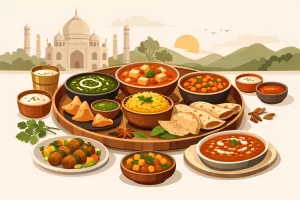
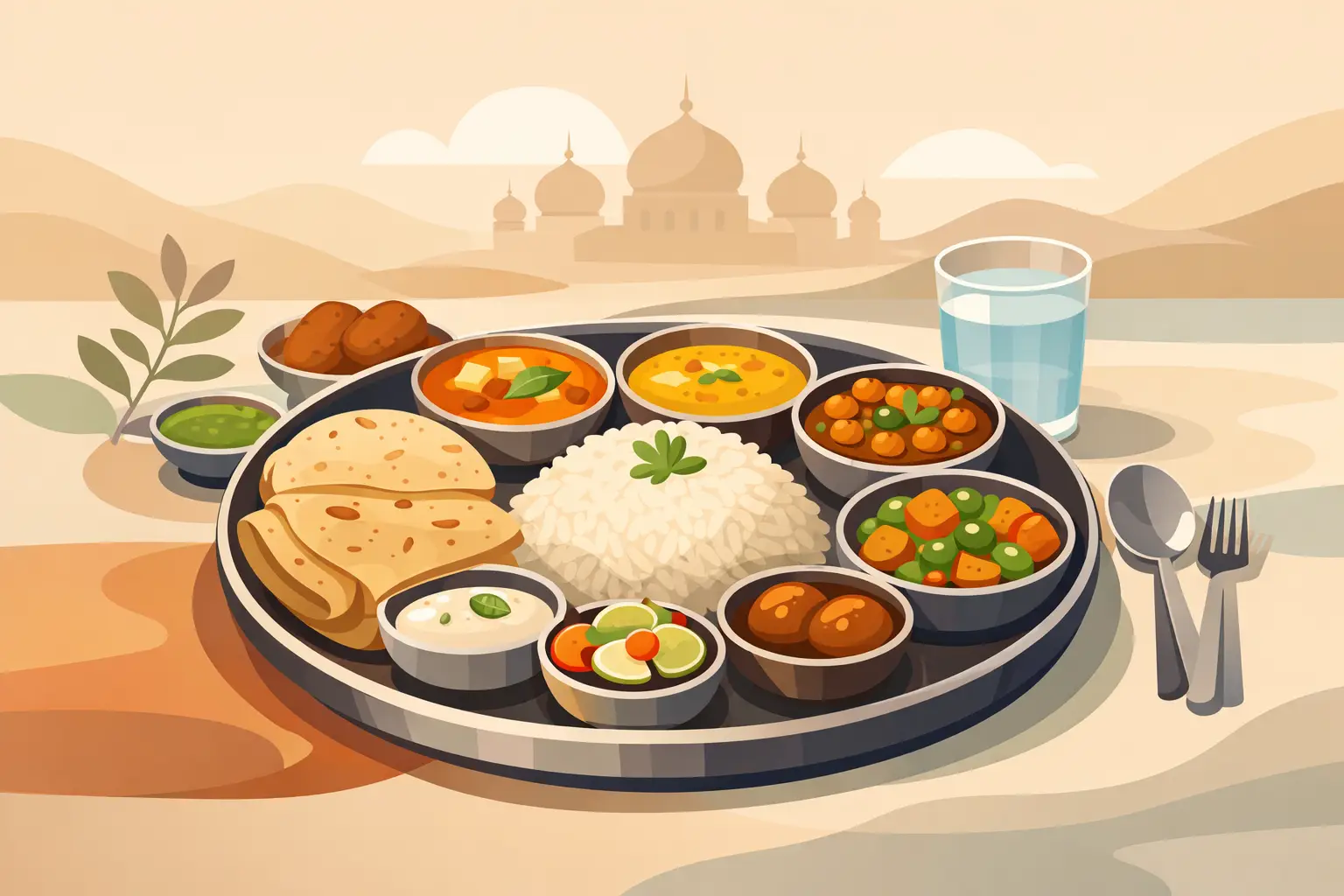
Some meals are ordered for convenience. A vegetarian north indian thali is chosen for something more satisfying – balance, variety, comfort, and the feeling that the table is complete the moment it arrives. For busy professionals, families, travelers, and anyone craving a well-rounded Indian meal, a thali offers more than a plate of food. It brings together the colors, textures, spices, and nourishment that define North Indian dining.
At its best, a thali feels generous without being heavy. You taste a little of everything, and each component has a role. A rich curry is balanced by yogurt, pickles sharpen the palate, rice softens spice, and fresh bread turns every bite into something warm and personal. That is why this format continues to appeal to diners who want both authenticity and ease.
What makes a vegetarian north indian thali special
A thali is not just a collection of small portions. It is a carefully arranged meal designed to create harmony on the plate. In a vegetarian North Indian version, that usually means a combination of dal, one or two vegetable curries, rice, Indian bread, salad, chutney or pickle, and often a dessert or yogurt-based side.
What makes it special is the way these dishes speak to each other. A creamy paneer preparation can sit next to a lighter lentil dish. A dry vegetable sabzi adds texture while fragrant basmati rice gives the meal structure. The thali format also lets diners experience the range of North Indian cooking in one sitting instead of committing to a single curry.
For many guests, that variety matters. Some want a nourishing lunch that does not feel repetitive. Others are new to Indian food and want a guided introduction. A thali solves both needs. It gives confidence to first-time diners and satisfaction to regulars who know the value of a complete meal.
The balance of flavor, nutrition, and comfort
North Indian cuisine is loved for its depth, but a good thali also shows restraint. Not every dish should be rich. Not every bite should be spicy. The pleasure comes from contrast.
Lentils bring protein and warmth. Vegetable preparations add fiber, color, and freshness. Yogurt can cool the palate and support a lighter finish. Bread and rice provide familiarity and fullness, while Indian spices add aroma and character rather than just heat. When prepared with care, the meal feels wholesome and energizing instead of overwhelming.
This is one reason health-conscious diners often gravitate toward thali meals. You are not choosing between indulgence and nourishment. You can enjoy both, provided the kitchen respects ingredient quality, portion balance, and traditional spice use. Fresh herbs, legumes, seasonal vegetables, and thoughtfully prepared gravies make a real difference.
It also helps that a vegetarian meal naturally offers flexibility. Some guests prefer paneer for a richer, more classic North Indian profile. Others lean toward lentils and vegetable dishes for a lighter lunch. Some want vegan or Jain-friendly adjustments. A well-prepared thali can adapt without losing its identity.
What you can expect on a vegetarian North Indian thali
While every restaurant has its own style, the core structure stays familiar. You can usually expect a dal, a paneer or mixed vegetable curry, a dry sabzi, rice, naan or roti, salad, pickle, and a cooling side such as raita. Some thalis also include sweets, papad, or a small appetizer.
The beauty is in the sequence of bites. You might start with dal and rice for something grounding, then move to curry with bread for richness and warmth. The pickle adds a sharp edge. The salad refreshes the palate. Dessert closes the meal with softness.
That said, not every thali should be identical. Seasonality matters. A summer plate may feel brighter and lighter, while a colder day welcomes deeper, slower-cooked dishes. The ideal thali reflects not only North Indian tradition but also the moment in which it is served.
Why thali works so well for modern city dining
In a city setting, people often want three things at once – speed, quality, and choice. A thali meets all three. It arrives as a complete set meal, so there is no need to build a meal from multiple menu sections. It also gives diners the confidence that they are getting a balanced spread without over-ordering.
For office lunches, that convenience is practical. For tourists and first-time guests, it removes uncertainty. For groups with mixed preferences, it offers a dependable option that feels generous and polished.
There is also a social advantage. A thali communicates hospitality. It feels considered. Instead of serving one large bowl and an afterthought side, it presents a full dining experience in a single tray or platter. That visual abundance matters, especially in a restaurant setting where comfort and care are part of the meal.
For guests in Tokyo looking for authentic Indian food, this format can be especially appealing. It offers familiarity to Indian diners and a welcoming entry point for Japanese and international guests who want to experience more than one dish in a single order.
Authenticity matters, but so does execution
Many menus use the word authentic too casually. In a vegetarian thali, authenticity is less about decoration and more about disciplined cooking. The spices should be layered, not harsh. The vegetables should taste fresh. The dal should be comforting, not flat. Bread should arrive warm. Rice should be fragrant and separate, not sticky or tired.
Imported spices and ingredients can elevate the meal, but they are only part of the story. Technique is what turns those ingredients into something memorable. The kitchen has to know when a dish should be earthy, when it should be bright, and when it should simply let the main ingredient shine.
There is also a practical trade-off worth acknowledging. Some thalis focus on quantity, piling on dishes without enough attention to quality or balance. Others keep the selection tighter but execute each item with more care. For most diners, the second approach is more satisfying. A thoughtful thali should feel complete, not crowded.
This is where a restaurant with a strong service mindset stands apart. When the meal is prepared with attention to dietary needs, ingredient quality, and guest comfort, the thali becomes more than a set lunch. It becomes a trusted choice.
A smart choice for vegetarian, vegan, and Jain diners
One of the greatest strengths of North Indian cuisine is its ability to serve different dietary needs without losing depth or personality. A vegetarian thali already provides an inclusive foundation. With the right kitchen, it can also be adapted for vegan and Jain preferences.
That matters more than ever. Diners are not only asking whether a meal tastes good. They also want to know whether it aligns with their values, health goals, and religious requirements. A restaurant that understands this and handles it with respect creates real peace of mind.
When a thali is built thoughtfully, dietary accommodation does not feel like a compromise. It still feels celebratory. Lentils, chickpeas, seasonal vegetables, tomatoes, onions, herbs, and spices offer enough range to create a meal with depth and satisfaction even without dairy or certain aromatics. The key is intentional cooking, not substitution for its own sake.
At Saffron Ikebukuro, that inclusive approach is part of what makes Indian dining more welcoming for a wide range of guests. It allows people to order with confidence, whether they are seeking comfort food from home or trying a North Indian meal for the first time.
When to order a vegetarian north indian thali
The short answer is anytime you want a complete meal without overthinking it. It works beautifully for lunch because it is structured and balanced. It suits dinner when you want variety without the weight of multiple rich dishes. It is also an excellent choice for takeaway when you want the feeling of a full restaurant meal in one order.
Still, it depends on your mood. If you are craving one signature dish in a big portion, a standalone curry may be the better fit. If you want contrast, comfort, and a wider taste of the menu, the thali is hard to beat.
It is especially satisfying when you want your meal to feel cared for. That is the enduring appeal of thali dining. It offers abundance, but in an organized and nourishing way.
A well-made thali reminds you that the best Indian meals are not only about spice or richness. They are about balance, warmth, and the pleasure of being served a little of everything you need.