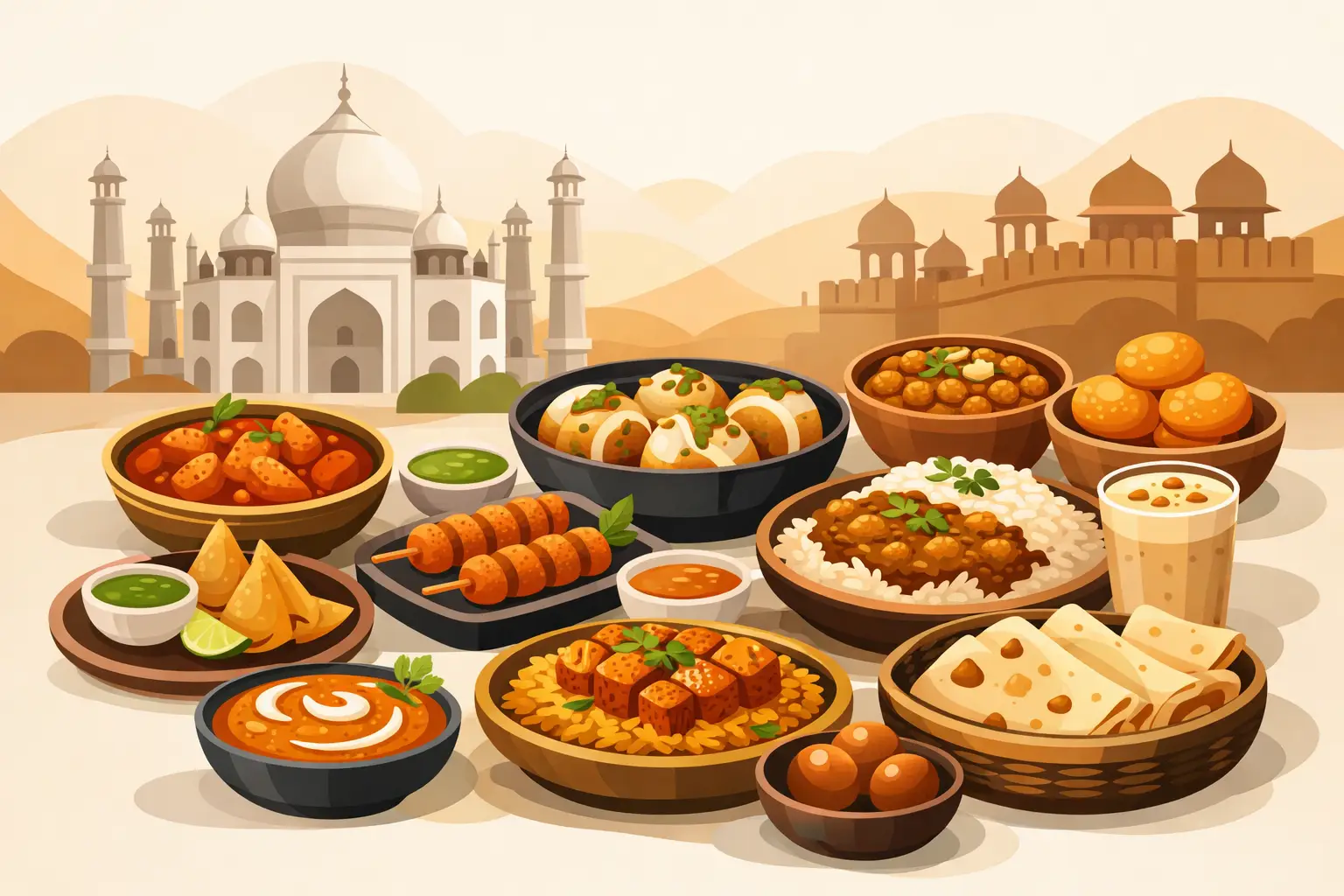
A great North Indian meal usually starts with a simple question – what are you in the mood for? Something smoky from the tandoor, rich and buttery with naan, deeply spiced with basmati rice, or light enough for a weekday lunch? That is the beauty of north indian famous food: it brings comfort, celebration, and variety to the same table.
For many guests, North Indian cuisine is the taste of home. For others, it is the cuisine that first made Indian food unforgettable – fragrant curries, fresh breads, sizzling grilled dishes, and desserts that finish the meal on a warm, generous note. The best part is that it is not one-note. It can be indulgent, but it can also be balanced, protein-rich, vegetable-forward, and well suited to halal, vegetarian, vegan, or Jain preferences when prepared with care.
What makes North Indian famous food so loved?
North Indian cooking is known for depth and comfort. You will often find tomato, onion, ginger, garlic, yogurt, cream, ghee, and whole spices forming the base of many dishes. That does not mean every plate is heavy. A well-made North Indian meal depends on balance – warmth from spices, freshness from herbs, texture from breads and grilled items, and enough restraint to let each ingredient speak clearly.
Another reason these dishes travel so well across cultures is their flexibility. If you are dining with friends or coworkers, one table can easily include meat lovers, vegetarians, and guests who prefer mild flavors. If you are ordering in after work, you can build a meal that feels satisfying without feeling excessive. North Indian cuisine works for both occasions because it is generous by nature.
12 dishes that define north indian famous food
Butter Chicken
If one dish has introduced North Indian cuisine to the world, it is butter chicken. Tender chicken is cooked in a tomato-based gravy that is smooth, mildly spiced, and finished with butter and cream. The flavor is rich, but a good version should still taste lively, not overly sweet or greasy.
This is often the safest first order for guests new to Indian food. It pairs naturally with naan and also works well with rice if you want a lighter balance.
Chicken Tikka
Chicken tikka is all about marinade and fire. Boneless pieces of chicken are seasoned with yogurt, spices, and herbs, then roasted until lightly charred. The result is smoky, juicy, and satisfying without the weight of a heavy sauce.
For diners who want bold flavor with a cleaner finish, this is a smart choice. It also makes an excellent shared starter for a table.
Tandoori Chicken
Tandoori chicken is one of the clearest expressions of North Indian cooking. Marinated chicken, usually on the bone, is cooked in a clay oven at high heat. You get crisp edges, deep color from spices, and a distinct roasted aroma.
It is often seen as a restaurant classic, but it is more than a visual favorite. Because it is grilled rather than simmered in a rich gravy, it appeals to guests looking for something flavorful and protein-forward.
Paneer Tikka
Paneer tikka offers the same tandoor-charred appeal in a vegetarian form. Cubes of Indian cottage cheese are marinated with spices and grilled with vegetables. The outside picks up a smoky edge while the inside stays soft.
This dish matters because North Indian cuisine does vegetarian food exceptionally well. It is not a compromise dish. It is a signature in its own right.
Palak Paneer
Palak paneer combines spinach and paneer in a smooth, seasoned curry that feels both nourishing and comforting. It is one of those dishes people return to regularly because it offers depth without overwhelming heat.
When prepared properly, the spinach should taste fresh and earthy rather than dull. It is a favorite for diners who want something balanced, especially with roti or plain rice.
Dal Makhani
Dal makhani is slow-cooked black lentils, often enriched with butter, cream, and gentle spices. The texture is velvety and the flavor is patient rather than sharp. This is comfort food in its purest form.
It is also a good reminder that North Indian cuisine is not only about meat or restaurant-style curries. Lentils hold a central place, and when they are cooked with care, they can be the most memorable dish on the table.
Chole
Chole, or spiced chickpea curry, brings a heartier, more robust profile. Chickpeas are simmered with onion, tomato, and an aromatic blend of spices that gives the dish its earthy, tangy character.
It pairs beautifully with bhatura, naan, or rice. For vegetarian diners, it is often one of the most satisfying options because it offers both flavor and substance.
Rogan Josh
Rogan josh is known for its rich color and warming spice profile. Traditionally made with lamb or mutton, it delivers depth without needing extreme heat. The sauce is layered and aromatic, making it a strong choice for diners who enjoy more savory, slow-cooked flavors.
This is not always the first dish a newcomer orders, but it is often the one that turns curiosity into appreciation.
Biryani
Although biryani has many regional styles, North Indian versions are especially popular for their fragrant basmati rice, saffron notes, spices, and layered cooking. Whether made with chicken, lamb, or vegetables, a good biryani should feel aromatic and complete on its own.
It is ideal for guests who want a full meal in one dish. The trade-off is that if you are craving bread-and-curry comfort, biryani offers a different kind of satisfaction – less saucy, more fragrant and structured.
Naan
Naan may be a bread, but it deserves its place among the essentials. Fresh naan from the tandoor has blistered edges, a soft interior, and just enough chew to scoop up curry beautifully. Plain naan is classic, while garlic naan adds a sharper, more aromatic finish.
For many diners, the meal does not feel complete without it. Still, if you prefer a lighter option, roti can be a better everyday choice.
Samosa
Samosas are crisp pastries filled with spiced potatoes, peas, and sometimes meat. They are familiar, shareable, and deeply satisfying. A well-made samosa should be flaky outside and warmly seasoned inside, never oily or heavy.
As an appetizer, it sets the tone for the meal – welcoming, flavorful, and easy to enjoy with friends.
Gulab Jamun
To finish, gulab jamun brings softness and sweetness. These milk-based dumplings are fried and soaked in scented syrup, often flavored with cardamom or rose. Served warm, they provide the kind of ending that feels festive without trying too hard.
If your meal has leaned spicy or smoky, gulab jamun offers a gentle contrast.
How to order North Indian food with confidence
If you are new to the cuisine, the easiest way to order is by contrast. Choose one grilled item, one curry, one lentil or vegetable dish, bread, and rice if you are sharing. That gives the table different textures and spice profiles without repeating the same experience.
If you are dining solo, think about what kind of satisfaction you want. Butter chicken with naan is classic comfort. Chicken tikka with dal feels more balanced. Palak paneer with rice is gentle and filling. Biryani is the practical answer when you want everything in one plate.
Spice level also depends on the kitchen and the dish itself. Some curries are naturally mild, while others are meant to carry more warmth. Asking for guidance helps, especially if you want authentic flavor without excessive heat.
Why quality matters in North Indian cuisine
North Indian food rewards careful cooking. Fresh spices matter. So do good tomatoes, quality dairy, well-marinated proteins, and properly cooked rice and bread. Imported ingredients, fresh herbs, and disciplined preparation make the difference between a meal that feels heavy and one that feels vibrant.
This is especially important for modern diners who care about wellness as much as flavor. Rich dishes should feel rounded, not greasy. Grilled dishes should stay juicy. Vegetarian options should feel as complete as meat-based ones. And dietary needs should be handled with respect, not as an afterthought.
That is why many guests look for restaurants that can offer authenticity along with halal, vegetarian, vegan, and Jain choices. Done well, inclusive North Indian dining allows everyone at the table to enjoy the same sense of abundance.
At Saffron Ikebukuro, that approach is part of the experience – authentic North Indian cooking, thoughtful ingredient selection, and a menu broad enough for everyday meals, celebrations, and easy online ordering.
North Indian famous food is more than a craving
These dishes stay popular for a reason. They are warming without being one-dimensional, festive without being reserved for special occasions, and adaptable enough for lunch breaks, family dinners, date nights, and parties. Some guests come for the butter chicken. Others want the smoky pull of the tandoor or the comfort of dal and fresh bread. Both are valid, because North Indian cuisine is built to welcome different appetites.
The best way to enjoy it is not to chase the most famous plate, but to notice what fits your moment – something hearty, something wholesome, something shared, or something that simply tastes like home.