
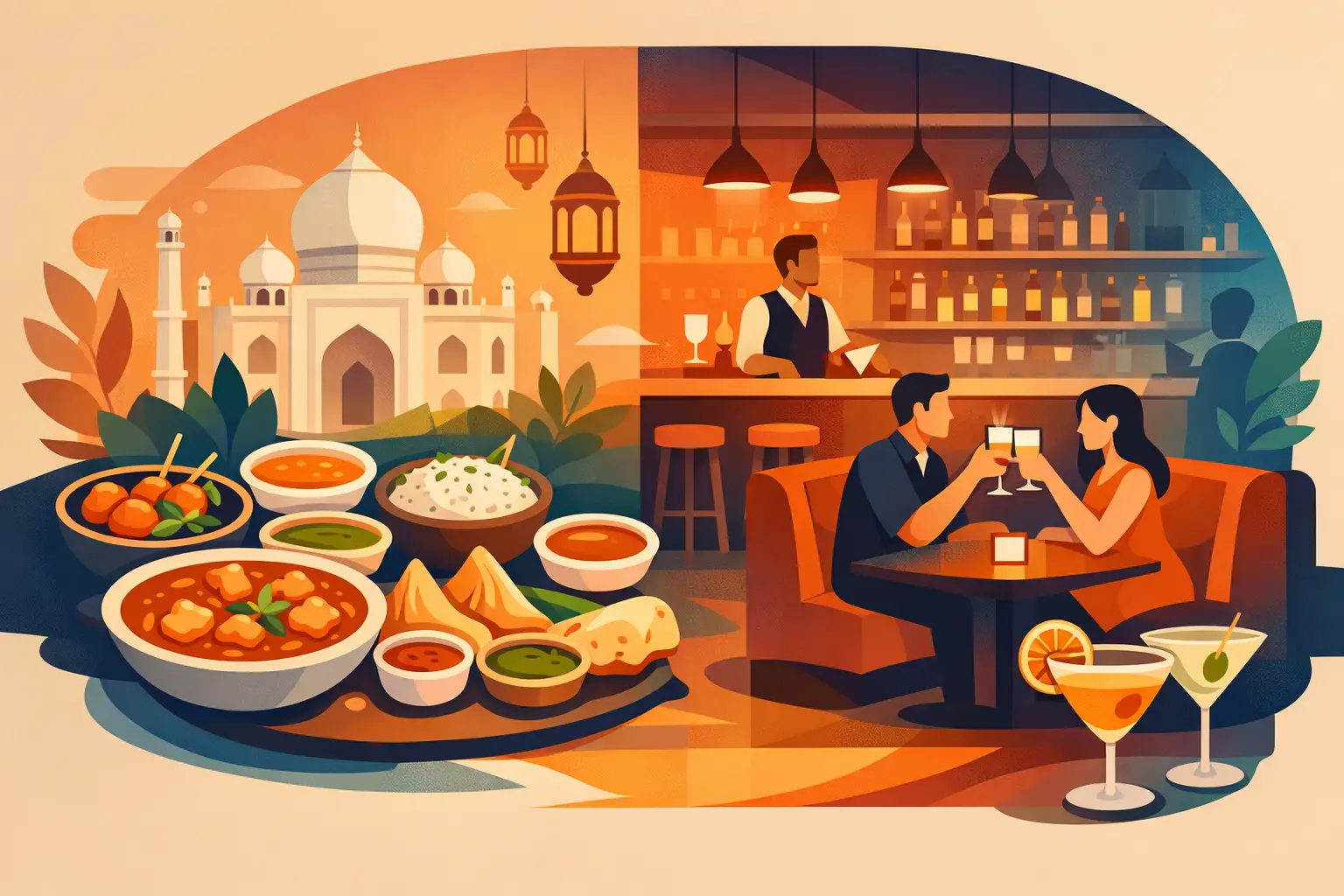
A good night out in Tokyo often asks you to compromise. You find a place with strong cocktails but forgettable food, or a restaurant with excellent meals but no real atmosphere to stay, talk, and relax. A restrobar with Indian food changes that equation. It brings together bold cooking, thoughtful drinks, and the kind of warm setting that works just as well for a casual dinner as it does for a celebration, business meal, or late evening catch-up.
That combination matters more than ever for city diners who want one place that can do several things well. You may be meeting friends with different dietary needs, planning dinner after work, or looking for a venue that feels lively without becoming overwhelming. In those moments, Indian cuisine has a special advantage. It is naturally social, deeply comforting, and broad enough to suit many tastes without losing its identity.
What makes a restrobar with Indian food different
Not every restaurant-bar pairing feels balanced. In many venues, one side leads and the other feels like an add-on. The best restrobar with Indian food does not treat food as background to drinks or drinks as a simple extra beside dinner. Both are part of the experience.
Indian cuisine is especially well suited to this format because it carries range. A table can begin with tandoori platters, crisp appetizers, and small bites that pair naturally with beer, wine, or cocktails. It can move into rich curries, fragrant biryani, grilled specialties, and fresh breads that turn the meal into something more generous and satisfying. Desserts and after-dinner drinks then complete the evening without anyone feeling rushed.
There is also a sensory appeal that fits the restrobar setting. The aroma of roasted spices, the color of curries, the sizzle from the tandoor, and the contrast between cooling drinks and warming dishes create a dining experience that feels complete. People stay longer because the atmosphere invites them to.
Why Indian food works so well in a social setting
Indian food is built for sharing, but that does not mean every guest has to want the same thing. That is one of its great strengths. At one table, someone can order a hearty meat curry, another guest can choose a vegetarian dish, and someone else can enjoy vegan or Jain food without feeling like they settled for a lesser option.
For groups in a city like Tokyo, this flexibility is practical. Mixed dietary needs are common, especially among international residents, travelers, and office teams. A restaurant that can serve halal, vegetarian, vegan, and Jain options with real care removes friction from planning. Instead of spending time negotiating where everyone can eat, guests can focus on enjoying the meal.
Indian cuisine also gives guests control over intensity. Some want creamy, mild dishes and soft naan. Others want a deeper spice profile, grilled meats, or a biryani with more character. A strong restrobar experience understands that balance. It welcomes both the adventurous diner and the guest who simply wants comfort food done very well.
The role of drinks in the experience
Drinks should support the food, not compete with it. That is where a quality Indian restrobar stands apart from a standard bar menu. Crisp beer can cut through smoky tandoori dishes. Wine can complement creamy curries and grilled items. Cocktails can add brightness to appetizers or contrast to richer mains.
The point is not to overwhelm the guest with options. It is to curate choices that make the meal more enjoyable. A thoughtful beverage program gives people more reasons to gather, linger, and celebrate. It also expands the occasion. The same place can suit a weekday dinner, a birthday gathering, or a relaxed evening drink with substantial food.
Authenticity matters more than atmosphere alone
A stylish room may bring someone in once. Authentic food is what brings them back. For Indian cuisine, authenticity is not only about spice level or menu names. It comes from technique, ingredient quality, and a clear respect for regional cooking traditions.
North Indian food, in particular, offers the depth and variety that many diners look for in a restrobar setting. Tandoori dishes provide char, texture, and aroma. Curries bring richness and complexity. Biryani offers a complete, layered dish that feels festive without being heavy when prepared with care. Freshly baked breads, rice dishes, and classic desserts round out the meal in a way that feels generous and satisfying.
Imported spices and herbs can make a real difference here. They bring aroma and character that are difficult to imitate. Fresh ingredients matter just as much. When recipes are prepared with discipline and consistency, the result is not just stronger flavor. It is trust. Guests know what they are getting, and they feel the care behind it.
Health-conscious dining is part of modern hospitality
Many diners want flavor and balance at the same time. They are not interested in food that feels heavy just because it is indulgent, and they do not want “healthy” food that sacrifices satisfaction. Indian cuisine can meet both needs when it is approached thoughtfully.
Spices and herbs are one reason. Indian cooking uses ingredients that bring depth without relying only on excess fat or sugar. Cooking methods matter too. Tandoori dishes, well-balanced curries, lentil preparations, and vegetable-based recipes can feel nourishing while still delivering full flavor. Portioning, freshness, and recipe control all shape whether a meal leaves guests energized or weighed down.
This is one area where a restaurant earns credibility through discipline rather than claims. Quality control, clean preparation, and ingredient transparency matter. Guests who are calorie-conscious or simply mindful of what they eat notice the difference quickly. They return to places that make them feel well cared for.
A restrobar with Indian food suits more occasions than people expect
Some dining concepts are narrow by nature. They work for date night but not a team dinner, or they fit quick lunches but not parties. An Indian restrobar has wider appeal because it can shift with the occasion.
For professionals, it offers a polished setting where food has more personality than the usual after-work options. For tourists and international residents, it can provide both comfort and discovery. For families and friend groups, it makes celebration easy because the menu has enough breadth to satisfy everyone. For hosts planning events, it gives structure to the evening: appetizers, drinks, mains, desserts, and a setting that already feels festive.
That versatility matters in a neighborhood destination. People want somewhere they can trust for a spontaneous dinner, a planned party, or takeout on a busy night. A strong hospitality brand understands that convenience is part of comfort. Dine-in matters, but takeaway and delivery matter too.
What guests should look for before choosing one
Not every Indian dining room with a bar truly functions as a restrobar. Guests should look beyond the sign and pay attention to how the place is built to serve them.
A strong menu should show range without feeling scattered. The drinks list should feel considered rather than generic. Dietary accommodations should be clear and handled confidently, not as an afterthought. Service should be welcoming, especially in a city where guests may come from many language and cultural backgrounds.
Ambiance matters, but comfort matters more. Lighting, music, seating, and pace should help people relax. The ideal setting lets you enjoy a quick meal if you need one, but also encourages you to stay when the evening calls for more time. That balance is difficult to fake.
Saffron Ikebukuro reflects this kind of experience by combining authentic North Indian cuisine, inclusive menu options, and a restrobar atmosphere designed for both everyday dining and special gatherings. For guests in Tokyo, that means fewer compromises and more reasons to return.
The best dining spots are not just places to eat. They become part of how people unwind, connect, and celebrate. When a restrobar with Indian food gets the details right – flavor, hospitality, drinks, inclusivity, and comfort – it gives guests something genuinely useful: one dependable place that fits real life, and still feels special every time.