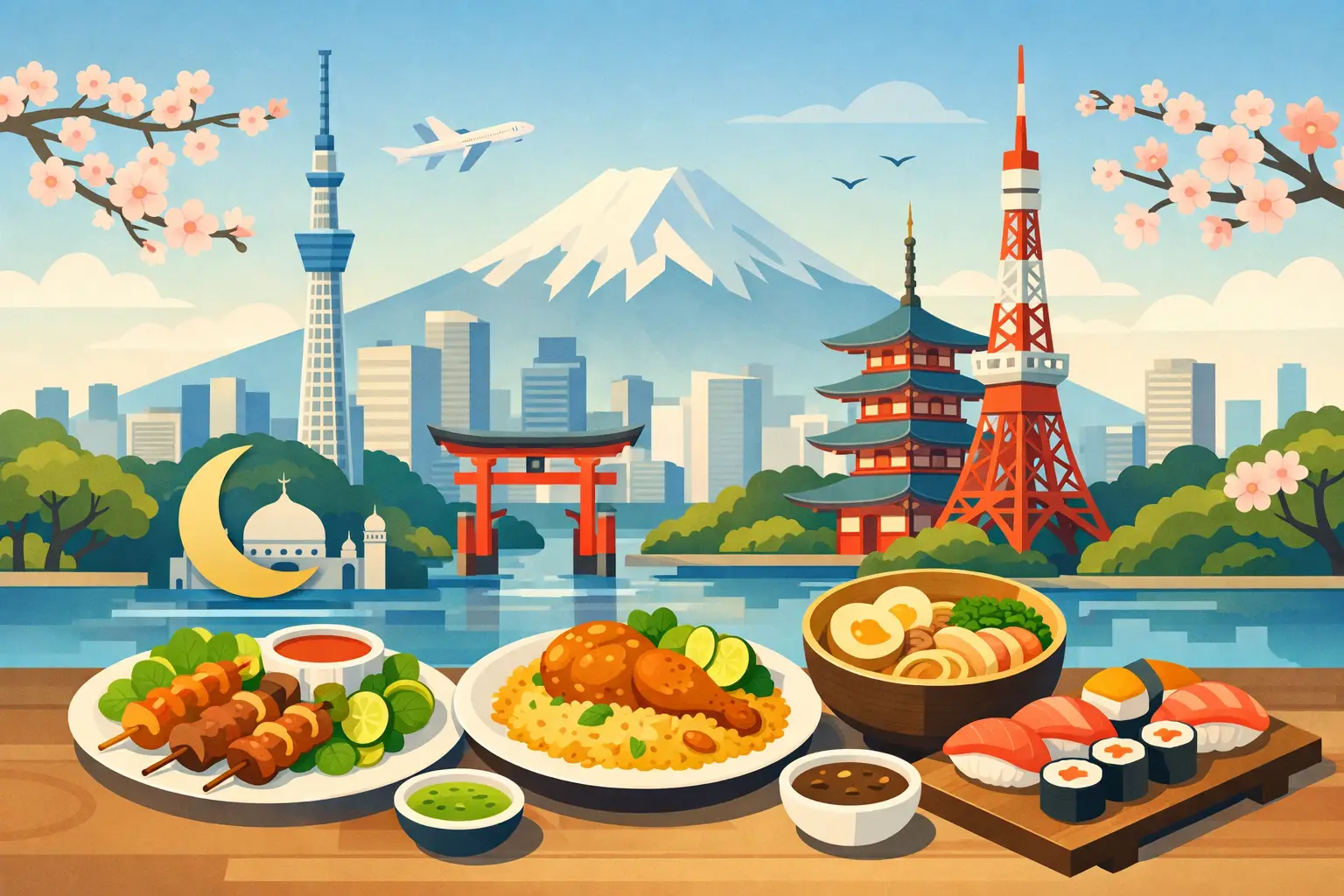
Tokyo can feel easy to love and hard to eat in at the same time – especially when halal matters. One station has endless options, the next leaves you checking labels, asking questions, and wondering whether a meal is truly suitable. That is exactly why a reliable halal dining guide Tokyo visitors, residents, and busy professionals can actually use needs to focus on more than restaurant names.
The real challenge is trust. In a city as large and fast-moving as Tokyo, halal dining is not just about spotting a kebab sign or finding a menu with a curry section. It is about knowing how ingredients are sourced, whether alcohol is used in cooking, how clearly staff can explain the menu, and whether the restaurant can confidently accommodate different dietary needs at the same table. If you are dining with family, coworkers, or friends who are vegetarian, vegan, or simply health-conscious, those details matter even more.
What makes a good halal dining guide Tokyo diners can rely on
A useful guide starts with a simple truth – halal-friendly is not always the same as fully halal. Some restaurants serve halal meat but also use alcohol in certain dishes. Others offer seafood or vegetarian choices that may work for some guests but not for others. The best dining decisions come from clear communication, not assumptions.
That is why the strongest halal options in Tokyo usually share a few qualities. They are transparent about ingredients, consistent in preparation, and comfortable answering questions. They also understand that many guests are not dining alone. One person may need halal food, another may prefer vegan dishes, and someone else may want a relaxed dinner with drinks and a polished atmosphere. A restaurant that can welcome all of them without compromising quality stands out quickly.
Cuisine also matters. In Tokyo, Indian, Turkish, Middle Eastern, and selected Japanese restaurants often form the core of halal dining choices. Each has its strengths. Indian restaurants, in particular, tend to offer broad menu flexibility because they can serve halal meats alongside rich vegetarian, vegan, and Jain-friendly dishes. That makes them especially practical for group dining, business meals, and celebrations.
How to choose the right halal restaurant in Tokyo
The best choice depends on what kind of meal you want. If you are grabbing a quick lunch between meetings, convenience may matter most. If you are planning dinner with guests, then atmosphere, service, and menu depth become more important.
For everyday dining, look for restaurants that make their halal status clear and offer enough variety that you are not limited to one or two safe dishes. A strong menu should let you enjoy the meal rather than negotiate it. Freshly prepared curries, tandoori dishes, biryani, breads, rice plates, and lighter vegetable options give you room to choose based on appetite, schedule, and dietary preference.
For social occasions, the standard rises. You want a place where food quality, comfort, and hospitality all work together. A halal meal should never feel like a compromise. In Tokyo, that often means choosing a restaurant that pairs authenticity with attentive service, multilingual communication, and a dining room suitable for anything from a casual weeknight dinner to a birthday, business meal, or small party.
Location is another practical factor. Tokyo is vast, and a restaurant can be excellent but still inconvenient if it takes too long to reach. Areas with strong transport access, such as Ikebukuro, Shinjuku, Ueno, and Asakusa, tend to make halal dining easier for both locals and travelers. If you are meeting a group, proximity to a major station can matter almost as much as the menu.
Why Indian cuisine works so well for halal dining in Tokyo
Indian food has a special place in any halal dining guide Tokyo readers are likely to save and revisit. The reason is simple. It offers depth, flexibility, and comfort all at once.
A well-run Indian restaurant can serve halal diners without reducing the meal to a narrow set of choices. You can enjoy grilled tandoori specialties, slow-cooked curries, fragrant biryani, lentil dishes, fresh breads, and satisfying vegetarian plates in one sitting. That range is especially helpful in mixed groups, where everyone wants something different but no one wants to feel like an afterthought.
There is also a wellness advantage when the food is prepared with care. Indian cooking, when done authentically, uses spices and herbs not just for flavor but for balance. Fresh ingredients, thoughtful seasoning, and measured cooking methods can create meals that feel both comforting and energizing. That matters for diners who want rich flavor without the heaviness that often comes with convenience food.
Authenticity, though, is the deciding factor. Not every restaurant delivers the same standard. The difference shows in the aroma of the spices, the quality of the meat, the freshness of the breads, and the confidence of the kitchen. When ingredients are imported carefully and recipes are rooted in real culinary tradition, the meal feels complete.
What to ask before you order
Even in a strong halal restaurant, asking the right questions can make your meal smoother. You do not need to turn dinner into an interview, but a few simple checks can prevent confusion.
Start by confirming whether the meat is halal and whether that applies across the menu or only to selected dishes. Then ask whether alcohol is used in cooking, especially in sauces or marinades. If you have additional dietary needs, such as vegetarian, vegan, or Jain preferences, ask how those dishes are prepared and whether customization is possible.
Service matters here more than people think. A restaurant with multilingual staff or clear menu knowledge saves time and builds confidence. In a city where visitors and international residents often dine alongside Japanese locals, that ease of communication becomes part of the hospitality.
The dining experience matters as much as the menu
Many halal diners in Tokyo are not only looking for permission to eat. They are looking for a place where they can relax. That changes the standard completely.
A truly satisfying restaurant experience includes welcoming service, comfortable seating, thoughtful ambiance, and food that arrives with consistency. If you are meeting clients, catching up with friends, or bringing family members with different preferences, the setting should support the occasion. That is one reason full-service restaurants often outperform quick-service spots for halal dining. They offer space to enjoy the meal rather than simply finish it.
This is also where a quality Indian restrobar can stand apart. When a restaurant combines authentic North Indian cuisine with halal options, vegetarian and vegan dishes, attentive service, and a comfortable atmosphere, it becomes more than a backup choice. It becomes a destination for both everyday meals and celebrations. In areas like Ikebukuro, where convenience and variety matter, that combination is especially valuable.
A practical way to use this halal dining guide Tokyo visitors and locals need
Think in terms of purpose, not just cuisine. If you need a dependable lunch, prioritize location and clear halal communication. If you are planning a dinner out, focus on menu breadth, ambiance, and whether the restaurant can comfortably serve different dietary preferences together. If you are ordering in, check whether the food travels well – biryani, curries, naan, kebabs, and rice dishes usually hold up better than more delicate items.
It also helps to favor restaurants that are consistent across dine-in, takeaway, and delivery. That kind of operational discipline usually reflects stronger kitchen standards. A place that treats every order with care tends to earn repeat guests for a reason.
One example is Saffron Ikebukuro, which appeals to diners looking for authentic North Indian flavor, halal choices, inclusive menu options, and a polished setting suitable for both relaxed meals and gatherings. For many Tokyo diners, that balance of authenticity, comfort, and dietary flexibility is exactly what makes a restaurant memorable.
Tokyo rewards curious eaters, but halal diners should not have to rely on guesswork to enjoy the city well. The best meals come from restaurants that combine honesty, flavor, and genuine hospitality. When you find a place that respects your dietary needs, serves food with real character, and makes everyone at the table feel welcome, you are not just checking a box for dinner – you are finding a place worth returning to.