
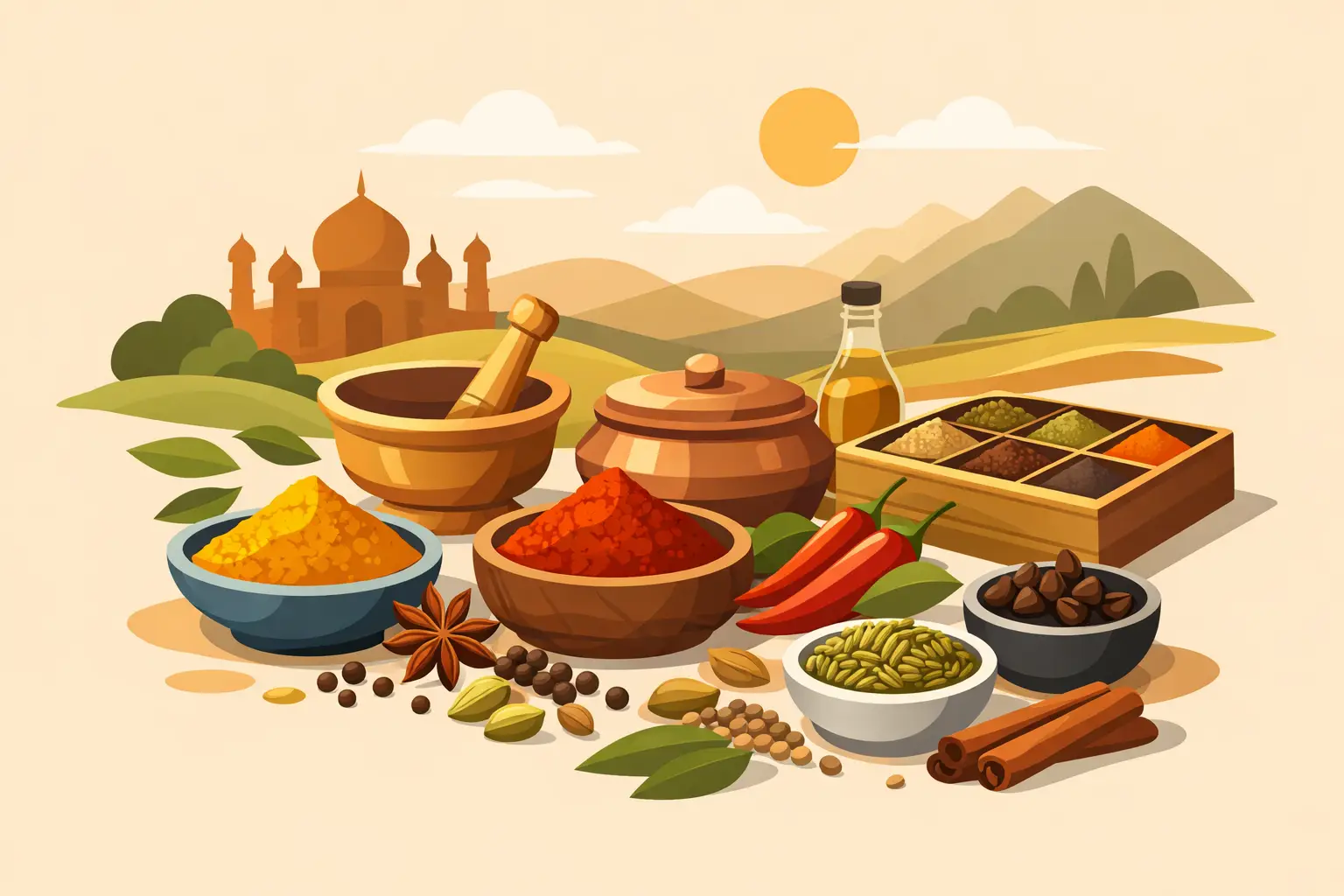
If you have ever wondered why one North Indian curry feels warm and comforting while another tastes smoky, bright, or deeply aromatic, the answer usually begins with the spice box. This guide to north indian spices is here to make those flavors easier to understand, whether you are ordering dinner, choosing dishes for a group, or building confidence with Indian food for the first time.
North Indian cooking is not about heat alone. It is about balance. Spices are used to build depth, support digestion, bring out the character of vegetables and meats, and create the rich, rounded flavor that people remember long after the meal ends. In authentic restaurant cooking, each spice has a role, and the best dishes never taste crowded or harsh. They taste cared for.
Why a guide to North Indian spices matters
For many diners in Tokyo and beyond, Indian food gets reduced to one simple question: Is it spicy? That question makes sense, but it misses the real beauty of North Indian cuisine. Spice in this tradition does not only mean chili. It can mean sweetness from cinnamon, earthiness from cumin, gentle bitterness from fenugreek, freshness from coriander, or floral warmth from cardamom.
That distinction matters if you are choosing food for different preferences and dietary needs. A halal guest, a vegan diner, someone looking for a lighter meal, and someone craving a celebratory feast can all enjoy North Indian food, but they may respond to very different spice profiles. Understanding the basics helps you order with more confidence and enjoy the meal more fully.
The core spices behind North Indian flavor
Cumin is one of the most recognizable North Indian spices. It brings a warm, nutty, earthy depth that often forms the backbone of curries, lentils, and rice dishes. When tempered in hot oil or ghee, cumin releases a toasty aroma that instantly makes a dish feel fuller and more savory.
Coriander works differently. The seeds have a light citrusy quality that softens heavier flavors and keeps spice blends from feeling dense. In many curries, coriander helps create that rounded, fragrant taste that feels complex without becoming overpowering.
Turmeric is known for its golden color, but its value goes beyond appearance. It adds a mild bitterness and warmth that supports savory dishes beautifully. It is also widely appreciated in Indian food culture for its wellness associations, which is one reason health-conscious diners are often drawn to meals built with traditional spices and fresh ingredients.
Cardamom, especially green cardamom, adds sweetness and aroma. You may notice it in biryani, masala chai, richer gravies, and festive dishes. Black cardamom is more smoky and intense, often used when a dish needs deeper warmth rather than perfume.
Cloves and cinnamon are both powerful, so skilled cooking uses them with restraint. Cloves add sharp warmth and depth. Cinnamon brings sweet woodiness that can make a tomato-based gravy or rice preparation feel richer and more layered.
Black pepper has been part of Indian cooking long before chili peppers arrived from the Americas. Its heat is direct but elegant. In some dishes, it gives a gentler, more refined warmth than red chili.
Mustard seeds, though more dominant in some other regional cuisines, still appear in certain North Indian preparations. They add a slight pungency and a lively pop when tempered properly.
Fenugreek is one of the most distinctive flavors in North Indian food. The leaves, often called kasuri methi when dried, bring a slightly bitter, savory aroma that gives restaurant-style curries their familiar finish. Used well, fenugreek makes a dish taste unmistakably authentic. Used poorly, it can become too assertive. This is one of many cases where balance matters more than quantity.
Whole spices and ground spices do different jobs
One of the easiest ways to understand North Indian cooking is to notice when spices are used whole and when they are ground. Whole spices are often added early to hot oil, where they release aroma slowly and build the foundation of the dish. Think cumin seeds in dal or cloves and cardamom in biryani.
Ground spices usually come later, blending into the gravy and shaping the overall body of flavor. Ground coriander, turmeric, chili powder, and garam masala can turn onions, tomatoes, yogurt, or cream into a sauce that tastes complete rather than flat.
This is also why the same ingredient list can produce very different results. Timing changes everything. A curry with cumin added early and garam masala added at the end will taste more layered than one where everything is simply mixed together.
What garam masala really does
Many people know the name garam masala, but fewer know how it works. It is not one single spice. It is a blend, and recipes vary from kitchen to kitchen. Most versions include some combination of cumin, coriander, cardamom, cinnamon, cloves, black pepper, and other warming spices.
In North Indian cuisine, garam masala is often used as a finishing note rather than the entire flavor base. It lifts a dish, giving it aroma and warmth just before serving. That is why two curries can look similar but smell completely different when they reach the table.
There is a trade-off, though. A heavier hand with garam masala can create richness and intensity, which some diners love in paneer dishes, butter chicken, or lamb curries. A lighter hand keeps the food brighter and cleaner, which may suit vegetable dishes or guests who want something satisfying but not heavy.
Heat is only one part of the picture
Red chili powder does play a role in North Indian food, but authentic cooking does not treat heat as the main event. Chili can add color, sharpness, and excitement, yet it works best when supported by other spices. A dish that is only hot often feels one-dimensional. A dish seasoned with cumin, coriander, turmeric, ginger, garlic, fenugreek, and cardamom has more character, even at a mild spice level.
This is good news for diners who are curious about Indian food but cautious about heat. Many North Indian dishes can be deeply flavorful without being aggressively spicy. It depends on the recipe, the kitchen style, and the balance of the masala.
How spices shape popular North Indian dishes
In tandoori dishes, spices are often blended with yogurt, ginger, garlic, and herbs to create a marinade that seasons the ingredient all the way through. The result is not just spice on the surface, but flavor that feels integrated, tender, and aromatic.
In curries, the spice base usually develops in stages. Onions may be cooked down for sweetness, tomatoes added for body and acidity, then ground spices folded in for depth. Cream, butter, or yogurt can soften sharper notes, while fenugreek or garam masala finishes the dish with signature aroma.
In biryani and pulao, whole spices are especially important. Cardamom, cloves, cinnamon, bay leaf, and cumin perfume the rice so that every spoonful tastes fragrant even before it reaches the curry.
In lentils and vegetable dishes, spices often do quieter work. They bring comfort, warmth, and digestibility without the richness of cream-based sauces. For guests looking for lighter meals, vegan options, or Jain-friendly choices, this side of North Indian cooking can be especially rewarding.
The wellness side of North Indian spices
North Indian spices are loved for flavor first, but they are also closely linked with traditional ideas of nourishment and balance. Turmeric, cumin, ginger, coriander, and black pepper are all valued in Indian food culture not only for taste, but for the way they make a meal feel satisfying and warming.
That does not mean every spiced dish is automatically light. Creamy gravies, butter-rich sauces, and celebratory meals have their place. Still, when a kitchen uses fresh ingredients, controls oil carefully, and builds flavor through spices rather than heaviness alone, the food can feel both comforting and surprisingly balanced.
This is one reason diners today are paying more attention to authentic Indian food made with care. Spice-forward cooking can deliver depth and pleasure without relying on excess.
How to order with more confidence
If you like fresh, bright flavors, look for dishes where coriander, cumin, and green cardamom are likely to shine. If you enjoy richer, evening-style comfort food, gravies finished with fenugreek, black cardamom, and garam masala may be more satisfying. If you want something celebratory, biryani and tandoori items often show the beauty of whole spices especially well.
For mixed groups, it helps to order across styles rather than repeating the same profile. A smoky tandoori dish, a creamy curry, a lentil preparation, a vegetable dish, and fragrant rice usually create a more complete North Indian meal than several similar curries. That approach also works well when dietary needs vary.
At Saffron Ikebukuro, this kind of care matters because authentic spice balance is part of what makes a meal welcoming to everyone at the table, from longtime lovers of Indian food to first-time guests looking for something nourishing, inclusive, and memorable.
The best way to learn North Indian spices is not to memorize them like a textbook. Taste them across different dishes, notice how they change with rice, bread, vegetables, meat, and lentils, and let your preferences guide you. Once you start noticing the difference between heat and aroma, richness and freshness, you will enjoy every North Indian meal on a deeper level.