
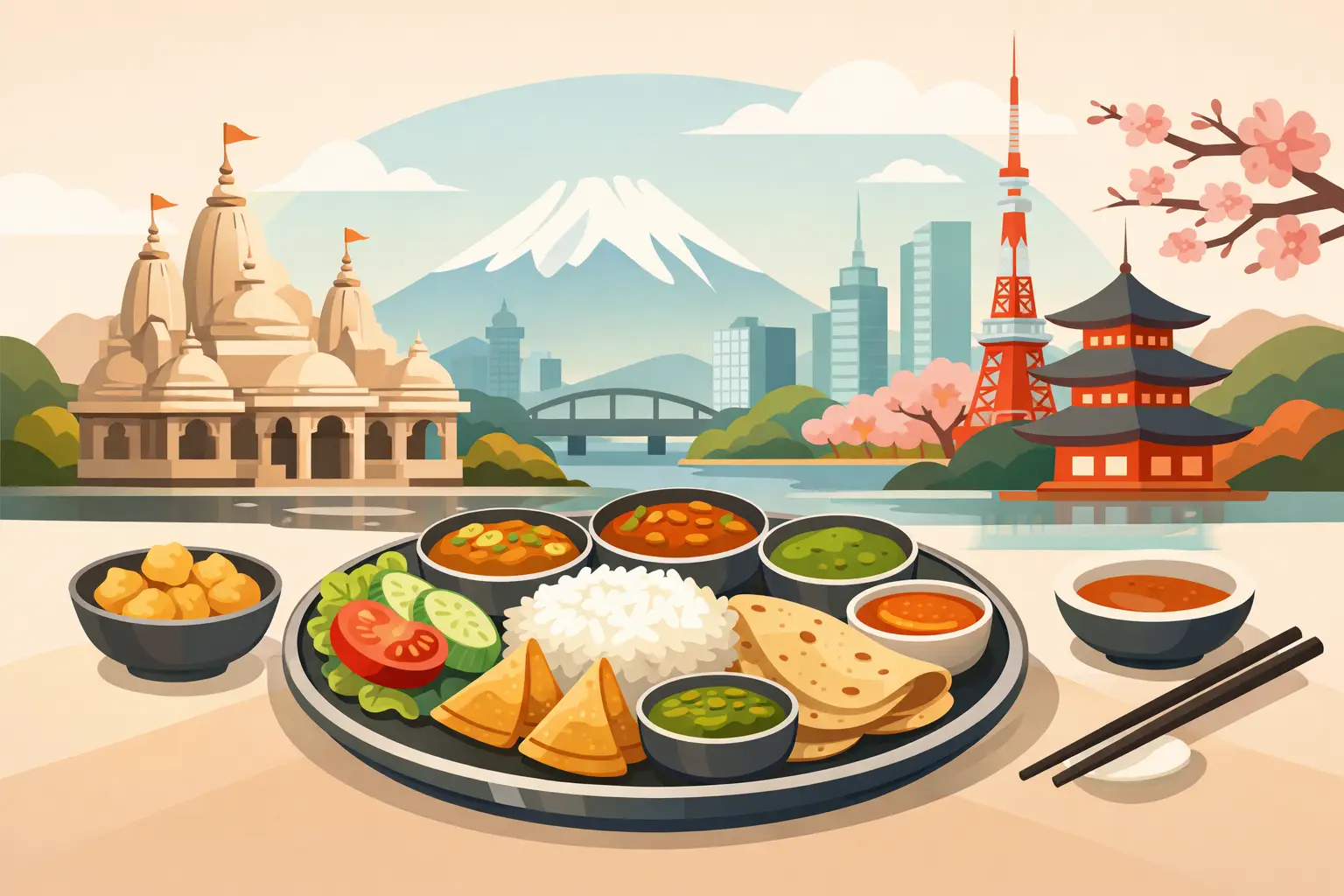
Tokyo is one of the world’s great food cities, but finding a jain food restaurant tokyo diners can trust is still more specific than simply searching for vegetarian Indian food. For Jain guests, the difference matters at the ingredient level, the cooking method, and the kitchen’s understanding of what should be left out. If you are choosing where to eat, that care is what turns a meal from uncertain to relaxing.
What makes a Jain food restaurant in Tokyo different
A true Jain-friendly dining experience is not just about avoiding meat. It also means avoiding root vegetables such as onion, garlic, potato, and other underground ingredients, depending on the diner’s preference and level of observance. That is where some restaurants fall short. They may offer vegetarian dishes, but the base gravy, marinade, or spice mix may still include onion or garlic.
That is why clarity matters more than menu labels alone. A good restaurant should understand the request immediately, explain which dishes can be prepared accordingly, and treat the order with care rather than confusion. For many travelers, international residents, and professionals in Tokyo, that level of confidence is just as important as flavor.
Indian cuisine can be especially well suited to Jain dining when the kitchen is experienced. Many North Indian dishes can be adapted beautifully with tomatoes, dairy, herbs, whole spices, lentils, and fresh vegetables that do not rely on onion and garlic for depth. When the cooking is authentic, the food still feels complete, aromatic, and satisfying.
How to judge a jain food restaurant tokyo visitors will enjoy
The first sign is communication. If a restaurant can explain its Jain options clearly, that usually reflects stronger kitchen discipline. Guests should be able to ask simple questions and receive direct answers about ingredients, preparation, and possible substitutions. In a city as international as Tokyo, multilingual support also makes a real difference, especially for visitors who want to confirm dietary details without stress.
The second sign is menu flexibility. Some restaurants only remove onion and garlic from a finished dish, which can limit quality because the sauce was never designed that way. A better kitchen knows how to build flavor from the start. Fresh tomatoes, cashew, cream, ginger where appropriate, whole cumin, coriander, fenugreek, green chilies, and other classic Indian ingredients can create richness without compromising Jain preferences.
The third sign is overall hospitality. Jain diners are often eating with family, colleagues, or friends who may want other options such as halal, vegan, or classic North Indian dishes. A restaurant that accommodates different dietary needs at one table is far more practical than one that serves only a narrow menu. That flexibility matters for everyday dinners, business meals, and celebrations alike.
Why Indian cuisine works so well for Jain dining
When prepared with knowledge and respect, Indian food offers one of the most comforting and flavorful paths for Jain dining in Tokyo. North Indian cooking in particular has a natural strength here because it is built on spice balance, texture, and slow layering of flavor. The result is food that feels generous rather than restrictive.
Think about the dishes people actually crave after a long day. Soft breads fresh from the tandoor. Fragrant rice. Creamy curries adjusted to Jain requirements. Lentil dishes with warmth and body. Paneer preparations that feel rich and festive. These are not compromise meals. They are deeply satisfying dishes in their own right.
There is also a wellness advantage. Many guests looking for Jain food are already attentive to what they eat. They care about ingredient quality, freshness, digestion, and balance. Indian cuisine made with thoughtful spice use, fresh herbs, and carefully selected ingredients can meet that need beautifully. The best meals feel nourishing as well as indulgent.
What to expect from a quality Jain-friendly Indian restaurant
A strong Jain-friendly restaurant should offer more than one safe option. It should provide real choice. That might include Jain curry variations, dal, rice dishes, breads, and selected appetizers that can be prepared without restricted ingredients. The goal is not merely to serve something acceptable. It is to give guests a meal they are excited to order again.
Consistency is another major factor. One good meal is not enough if the next visit brings uncertainty. Diners should be able to return knowing the kitchen follows clear standards. This is especially important for local residents and working professionals who want a dependable place for lunch, dinner, takeout, or delivery.
Ambiance also matters more than people sometimes admit. A warm dining room, attentive service, and a comfortable setting can turn dietary accommodation into a genuinely enjoyable night out. That is particularly important when dining with mixed groups. People want to feel they chose a place with great food and atmosphere, not simply the only place that could manage a restriction.
The Tokyo challenge: convenience versus confidence
Tokyo offers endless dining choices, but for Jain diners the challenge is often not availability alone. It is trust. A restaurant may look appealing online, yet the actual handling of Jain requests can vary widely. Some places may be willing but inexperienced. Others may understand the basics but not the finer points. And sometimes convenience wins out over certainty, especially when you are ordering after work or while traveling.
That is why the best choice is often an established Indian restaurant with a broad menu and a service mindset. Restaurants that regularly serve international guests tend to be better at listening, adapting, and communicating clearly. They know diners are not asking for a trend or preference. They are asking for a meal prepared with care.
Delivery and takeaway add another layer. If you are ordering to your home, office, or hotel, you want confidence that the instructions will be followed without repeated explanation. A restaurant that already serves vegetarian, vegan, halal, and Jain customers is usually better prepared for that level of consistency.
A better dining experience for groups with different needs
One of the biggest reasons people search for a jain food restaurant tokyo offers is that they are not dining alone. Families, coworkers, and travel groups often include diners with different priorities. One person needs Jain food. Another wants halal dishes. Someone else is vegetarian, and another person may simply want a classic tandoori platter or biryani.
This is where an inclusive Indian restaurant stands out. Instead of splitting the group or settling for limited choices, everyone can order confidently from the same kitchen. That creates a more relaxed and celebratory experience. Food should bring people together, and a well-run restaurant makes that feel easy.
For social dinners, parties, and special occasions, that matters even more. A place with a polished restrobar setting, comfortable seating, and welcoming service offers something beyond utility. It becomes a destination where dietary care and genuine hospitality meet.
Why authenticity still matters
Some diners assume that as long as a restaurant can remove certain ingredients, authenticity becomes less important. In practice, the opposite is true. An authentic Indian kitchen usually has a stronger understanding of flavor building, spice control, and regional cooking methods. That expertise is exactly what helps Jain dishes taste complete.
It also means better ingredients. Restaurants that value imported spices, fresh herbs, and careful preparation are more likely to produce food with depth and character. When onion and garlic are excluded, every other ingredient has to work harder. Quality becomes even more noticeable.
A restaurant like Saffron Ikebukuro reflects that balance especially well by combining authentic North Indian cooking with broad dietary inclusivity, health-conscious preparation, and a welcoming dining experience. For guests in Tokyo who want both trust and flavor, that combination is worth seeking out.
Choosing with confidence
If you are comparing options, look beyond the word vegetarian and ask whether the restaurant truly understands Jain preparation. Ask whether dishes are built separately, whether staff can guide you, and whether the menu offers enough variety to make the meal enjoyable for everyone at the table. Those details tell you far more than a generic listing ever will.
The right restaurant should make you feel cared for from the first question to the last bite. In a city full of excellent dining, that kind of confidence is rare and valuable. When you find a place that respects Jain requirements while serving authentic, comforting Indian food in a warm setting, you do not just find dinner. You find a place you will want to return to whenever the occasion calls for something both trustworthy and satisfying.
A good meal should leave you feeling light, welcome, and well looked after – and that is exactly what the best Jain-friendly Indian dining in Tokyo should deliver.