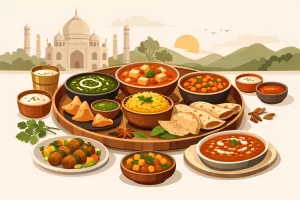

Finding halal Indian food Tokyo diners can rely on is not just about spotting a curry sign near a station. It is about trust, flavor, and the confidence that everyone at the table can eat well. For Muslim diners, families with mixed dietary needs, travelers, and busy professionals, the best meal is one that feels welcoming before the first bite even arrives.
Tokyo offers plenty of international dining, but halal-friendly Indian food still stands out for a simple reason. When it is done properly, it brings together deep spice, balance, comfort, and real hospitality. It also works beautifully for different occasions – a quick lunch between meetings, dinner with friends, a takeaway order after a long day, or a larger celebration where dietary needs have to be handled with care.
What makes halal Indian food Tokyo worth seeking out
Indian cuisine has a natural advantage when people are looking for inclusive dining. A strong menu can serve meat lovers, vegetarians, vegans, and even Jain diners without making anyone feel like an afterthought. That matters in Tokyo, where groups often include coworkers, visitors, families, and friends with different preferences.
Halal Indian dining also offers more than compliance. The best restaurants pair halal cooking with authenticity, using the right spices, herbs, and methods rather than flattening every dish into the same generic curry base. You taste the difference in a slow-cooked biryani, in tandoori dishes with proper char and tenderness, and in curries that carry warmth and fragrance instead of just heat.
There is also a health-forward side that many diners appreciate. Indian cooking, when prepared with care, can be deeply satisfying without feeling heavy. Fresh vegetables, lentils, grilled proteins, yogurt-based marinades, and spice blends built around turmeric, cumin, coriander, ginger, and cardamom can create meals that feel both nourishing and full of character.
How to choose a great halal Indian food Tokyo restaurant
Not every restaurant that serves Indian food will meet the same standard. If halal matters to you, the first question is basic but essential – can the restaurant clearly explain its halal offerings and preparation approach? Confidence matters here. Vague answers usually signal that you should keep looking.
The second thing to look for is menu depth. A good halal Indian restaurant should not give you one or two token options. You want range: curries, biryani, tandoori dishes, breads, rice, appetizers, and desserts. If you are dining in a group, it should be easy to build a full meal without compromise.
Ambiance matters too. Many people searching for halal Indian food in Tokyo are not only trying to solve a dietary need. They are also choosing a place for a date night, business meal, family dinner, or birthday gathering. A comfortable room, attentive service, and drinks or desserts for the wider group can turn a practical dinner into a place people want to come back to.
One more point that often gets overlooked is language and service. In a city as international as Tokyo, multilingual support can make the difference between a stressful ordering experience and a relaxed one. That is especially true for tourists and residents who want to ask detailed questions about ingredients, spice levels, or dietary restrictions.
The dishes that define a strong halal Indian menu
When people think about Indian food, they often jump straight to curry. Curry matters, of course, but a truly satisfying halal Indian meal should show more range than that.
Biryani is one of the best tests. A good biryani should have separate, fragrant grains of rice, layered spices, and protein that feels marinated and integrated rather than dropped in at the end. It should smell inviting before it tastes rich. If the biryani is right, the kitchen usually knows what it is doing.
Tandoori dishes are another sign of quality. Chicken tikka, seekh kebab, or other clay-oven specialties should arrive with clear smokiness and a lively marinade. They should feel fresh and vibrant, not dry or overly salty. This is where ingredient quality shows itself quickly.
Then there are breads and sides, which often tell the truth about the whole restaurant. Fresh naan, properly baked roti, flavorful rice, and well-made chutneys or raita signal attention to detail. If the kitchen treats the basics with care, the rest of the menu usually follows.
For many diners, vegetarian and vegan dishes are just as important as halal meat options. Dal, chana masala, mixed vegetable curry, paneer dishes, and seasonal specialties should feel complete and satisfying on their own. The best restaurants understand that inclusive dining is not about limiting choices. It is about giving every guest something memorable.
Why authenticity matters more than trendiness
Tokyo is full of smart, stylish places to eat, and that is part of the fun of dining here. But with Indian food, trendiness alone is not enough. You want recipes that respect the cuisine, spices that taste alive, and cooking that reflects genuine knowledge rather than surface-level presentation.
That often starts with sourcing. Restaurants that use fresh ingredients and proper Indian spices create food with more depth and clarity. Imported ingredients can make a real difference, especially in dishes where the spice profile is central. You can taste it in the aroma of basmati rice, in the balance of a butter chicken sauce, and in the brightness of a well-seasoned vegetable curry.
Authenticity also shows in restraint. Not every dish needs to be overwhelming, oily, or extra spicy to feel real. In fact, one of the marks of a skilled Indian kitchen is balance. Warmth, tang, sweetness, smoke, and texture should support one another. The result is food that feels comforting enough for repeat visits, not just dramatic enough for one photo.
Halal Indian food Tokyo for dine-in, takeout, and delivery
One of the biggest advantages of Indian cuisine is how well it fits modern city life. If you are dining in, it can be relaxed and social, with shared plates, fresh breads, and drinks that stretch the evening naturally. If you are ordering at home or back to the office, many dishes travel well and still feel generous when they arrive.
That flexibility matters for Tokyo residents with packed schedules. Sometimes you want a polished restaurant atmosphere. Other times you need dependable takeaway after work, lunch delivery for the office, or a menu that can satisfy a small party at home. A restaurant that can do all three well becomes more than a one-time option. It becomes part of your routine.
This is where a full-service Indian restrobar has an edge. A broader setting allows for casual meals, celebratory dinners, and social gatherings with drinks and dessert, while still supporting practical online ordering. For customers who value convenience but do not want to sacrifice quality, that combination is hard to beat.
A better fit for groups with mixed dietary needs
Group dining is where many restaurants struggle. One person needs halal, another wants vegan food, someone else prefers mild spice, and a few people just want a great dinner and a good drink. The wrong place turns that into a negotiation. The right place makes it feel easy.
That is one reason halal Indian food works so well in Tokyo. A well-planned menu can serve everyone without making the meal feel fragmented. You do not have to split into different restaurants or settle for the safest possible choice. Instead, you can share appetizers, compare curries, order naan for the table, and still respect each person’s needs.
At Saffron Ikebukuro, that inclusive approach is part of the experience. Guests looking for halal, vegetarian, vegan, or Jain food can dine together in one warm and polished setting, with authentic North Indian flavors, attentive service, and options suited to everyday meals as well as parties and celebrations.
What diners should expect from the best experience
The best halal Indian food Tokyo has to offer should leave you with more than a full stomach. You should feel looked after. That means food prepared with care, clear answers about dietary needs, and a setting where guests can relax rather than second-guess what is on the plate.
It should also feel worth returning for. Maybe that is the biryani you keep craving, the tandoori platter you order when friends visit, or the comfort of knowing there is a place that can accommodate your group without fuss. Reliability is part of hospitality, and in a busy city, it matters as much as flavor.
If you are choosing your next meal carefully, look for a restaurant that treats halal dining as part of a bigger promise – authenticity, inclusivity, freshness, and genuine welcome. When those pieces come together, dinner stops being complicated and starts becoming something you can look forward to.