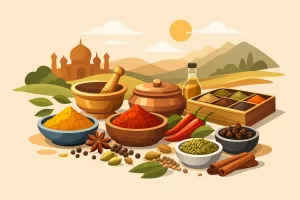
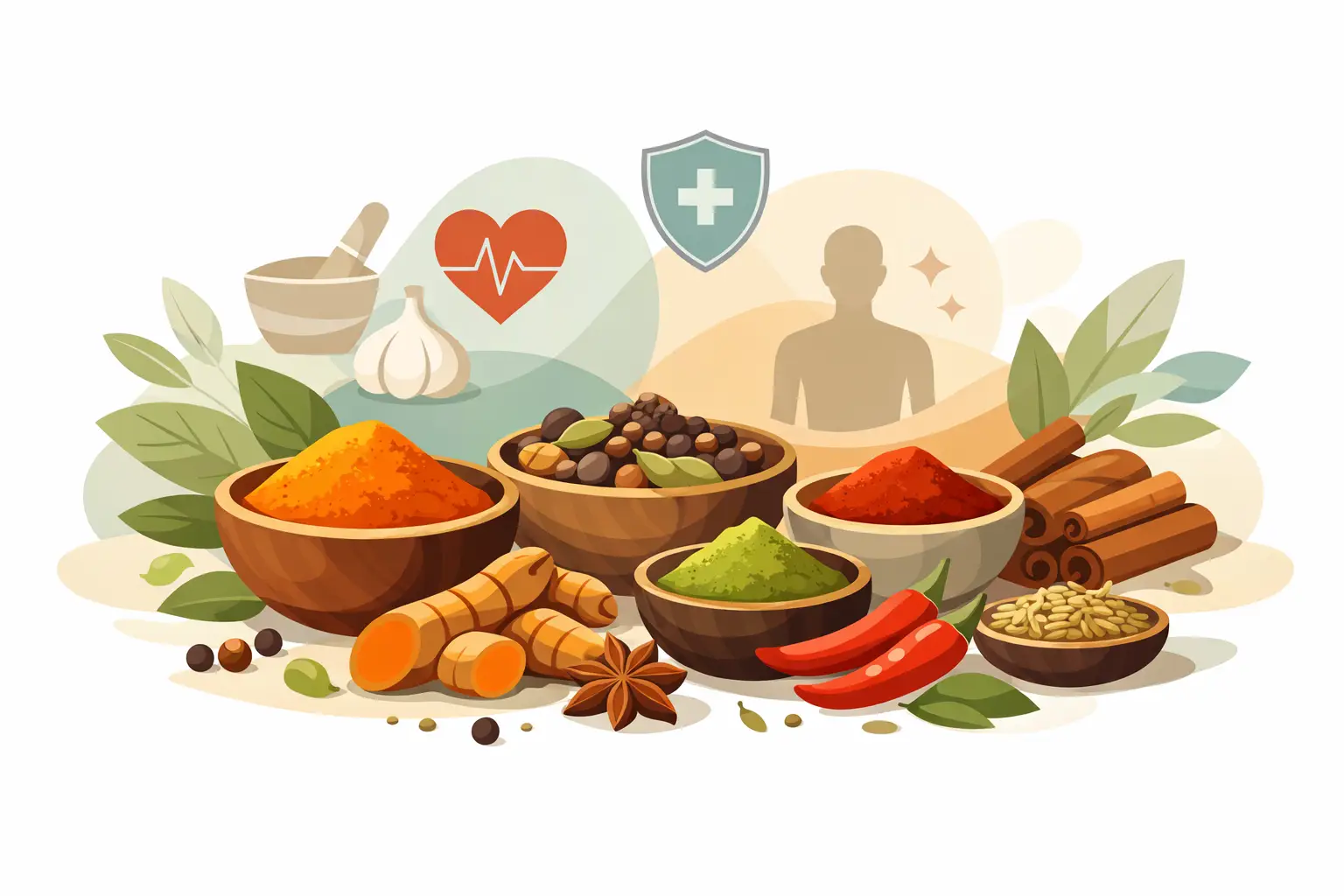
If you have ever finished a well-made curry, biryani, or tandoori dish and felt satisfied rather than weighed down, you have already experienced part of the healthy indian spices benefits that make Indian food so distinctive. The difference is not only heat or aroma. It comes from how spices are combined with herbs, fresh ingredients, and careful cooking to create food that feels comforting, layered, and often surprisingly balanced.
For many guests, especially in a busy city life, eating well is not just about counting calories. It is about finding meals that are flavorful, filling, and made with ingredients that support everyday well-being. Indian cuisine has long understood this balance. Spices are not added as decoration. They are central to how a dish tastes, smells, and settles in the body.
Why healthy indian spices benefits matter in everyday meals
One reason Indian cuisine continues to appeal to health-conscious diners is that spices can add depth without relying on excess sugar, butter, or heavy sauces. A dish can taste rich because cumin, coriander, turmeric, ginger, cardamom, black pepper, and cloves are working together, not because it is overloaded with unnecessary fat.
That does not mean every Indian dish is automatically light. Some preparations are richer by design, and that is part of the pleasure of the cuisine. But when spices are used skillfully, they help create meals that feel complete and satisfying with a more thoughtful flavor structure. This is one of the most practical healthy indian spices benefits – you get intensity, warmth, and character from ingredients that have been valued for generations.
For diners who want authentic food but also care about balance, that matters. It means you do not have to choose between taste and a more wellness-minded meal.
The most common Indian spices and what they bring
Turmeric
Turmeric is one of the best-known Indian spices, and for good reason. It gives food its golden color and an earthy, gentle bitterness that rounds out curries, lentils, and rice dishes. It is often associated with wellness because it contains curcumin, a compound studied for its anti-inflammatory and antioxidant properties.
Still, context matters. Turmeric is not a miracle ingredient on its own, and the way it is absorbed can vary. In real cooking, it works best as part of a broader combination of spices, often paired with black pepper and healthy fats in a complete dish.
Cumin
Cumin has a warm, nutty flavor that gives many North Indian dishes their comforting base note. It is often used whole in hot oil or ground into masalas. Beyond flavor, cumin has a long reputation for supporting digestion, which is one reason it appears so often in everyday home-style food.
Its contribution is subtle but essential. Remove cumin from many dishes and the result can feel flat, even if every other ingredient is present.
Coriander
Coriander seed brings a citrusy, slightly sweet brightness that keeps spice blends from becoming too heavy. In practical terms, it helps create balance. It softens sharper spices and gives curries, vegetable dishes, and marinades a fresher profile.
This matters for diners who think Indian food is always intense or overpowering. Good spice use is often about restraint and harmony, not just strength.
Ginger
Ginger adds sharpness, warmth, and freshness at the same time. It is a familiar ingredient in Indian cooking, often paired with garlic to build the foundation of sauces, marinades, and soups. Many people also appreciate ginger for the way it can feel soothing, especially in dishes meant to be warming and restorative.
In colder weather or after a long workday, ginger-heavy dishes can feel especially comforting without being overly rich.
Black pepper and chili
People often confuse spice with heat, but they are not the same. Black pepper adds a dry, fragrant warmth, while chili creates more direct heat. Both have a place in Indian food, but neither should overpower the dish.
For some diners, especially those new to Indian cuisine, milder seasoning is the better choice. That does not reduce the value of the dish. It simply lets other spices come forward. The best meals are balanced to suit the person eating them.
Cardamom, cloves, and cinnamon
These spices are often associated with aroma, and that is exactly why they matter. They add depth to biryanis, curries, chai, and desserts, creating the kind of fragrance that makes a dish feel complete before the first bite.
They also show how Indian cooking handles complexity. A spice blend may contain many ingredients, but the goal is not confusion. It is a clear, rounded flavor that unfolds gradually.
Healthy indian spices benefits are about more than nutrition claims
When people talk about spices and health, the conversation can become too simplistic. A single ingredient gets turned into a trend, and suddenly it is treated as a cure-all. That misses the real strength of Indian cooking.
The value of spices is cumulative. They work as part of a pattern of eating that includes lentils, vegetables, yogurt, rice, grilled meats, herbs, and carefully prepared breads. A spice blend is not just there to deliver one headline benefit. It helps make nourishing food taste craveable enough to eat regularly.
That is a more realistic way to think about wellness. Food should support you, but it should also bring comfort and pleasure. When a dish is beautifully seasoned, you are more likely to feel satisfied with a balanced portion instead of continuing to chase flavor elsewhere.
How spices support a more balanced dining experience
One overlooked advantage of Indian spices is how they allow variety across different dietary preferences. The same kitchen can create flavorful halal, vegetarian, vegan, and Jain dishes because spices do so much of the work.
This is especially meaningful for groups dining together. One person may want grilled chicken, another may prefer dal, and someone else may need a vegan or no-onion, no-garlic option. With the right spice knowledge, each dish can still feel complete and authentic rather than like a compromise.
That flexibility is part of why Indian cuisine works so well for modern urban diners. It meets practical needs without losing soul.
What makes spice-rich food feel lighter or heavier
Not every spiced dish feels the same, and that is worth understanding. Cooking method matters. A tandoori preparation can feel very different from a cream-based curry, even if both use some of the same spices. Lentil dishes, dry vegetable preparations, and grilled proteins often let the spices feel cleaner and more direct. Richer gravies offer comfort and indulgence, but they are a different experience.
So if your goal is a lighter meal, it is not necessary to avoid Indian food. It is smarter to choose dishes where the spice profile shines through fresh vegetables, legumes, yogurt, or grilling. That is often where the healthy side of the cuisine is easiest to appreciate.
At Saffron Ikebukuro, this approach is part of the appeal for guests who want authentic North Indian flavor with thoughtful, health-conscious preparation.
Why authenticity matters when talking about spice benefits
The benefits of Indian spices are easiest to appreciate when the ingredients are real, fresh, and handled properly. Old spices lose character. Poor blends turn muddy. Overcooked masalas can taste harsh instead of warming.
Authenticity is not just a cultural point of pride, though it certainly is that. It is also a quality issue. When spices are sourced carefully and cooked with attention, the food tastes cleaner, more vivid, and more satisfying. You notice individual notes instead of a generic heaviness.
For diners in Tokyo looking for trustworthy Indian food, that makes a genuine difference. It means the meal delivers what Indian cuisine is meant to offer – richness of flavor, comfort, and a sense of care.
A better way to enjoy the benefits of Indian spices
The smartest approach is simple. Choose dishes made with fresh ingredients, pay attention to preparation style, and do not judge Indian food by the heaviest examples alone. A well-made dal, a thoughtfully spiced vegetable curry, a tandoori platter, or a fragrant biryani can show just how satisfying balanced Indian cooking can be.
Spices do not need dramatic promises to prove their worth. They have earned their place through daily use, across generations, because they make food more vibrant, more comforting, and often more aligned with the way people actually want to eat.
The next time you sit down to an Indian meal, notice what lingers after the first bite. It is not just flavor. It is warmth, depth, and the feeling that good food can care for you while still feeling like a celebration.